
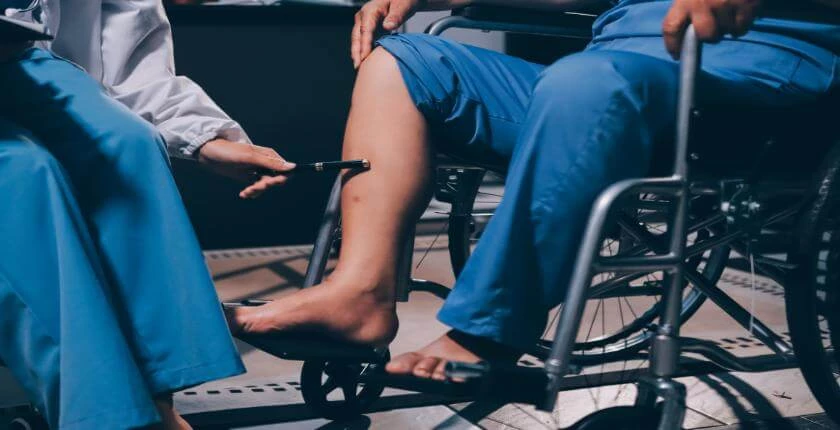
Paralysis Injury Claims
Get in TouchAt Jackson Personal Injury, individuals and across the UK affected by life-changing conditions such as paralysis can receive early guidance and legal support through access to a panel of specialist personal injury solicitors.
Paralysis injuries often arise from serious accidents or medical negligence and can permanently affect mobility, independence, mental well-being, and quality of life.
Where negligence is involved, compensation may be available to help fund medical treatment, rehabilitation, home adaptations, mobility equipment, and long-term care.
Jackson Personal Injury supports claimants at the outset by explaining how paralysis injury claims work and connecting them with solicitors from the panel who are experienced in managing complex and high-value cases.
What Injuries Can Lead to a Paralysis Compensation Claim?
Paralysis injury claims may arise from damage to the spinal cord, brain, or nervous system that causes partial or complete loss of movement or sensation. This can include paraplegia, quadriplegia, hemiplegia, or monoplegia.
Such injuries often result from road traffic accidents, falls from height, serious workplace incidents, assaults, or medical negligence involving the spine or brain. A claim may be possible where another party’s negligence caused or contributed to the injury.
How Much Compensation Can I Claim for a Paralysis Injury?
The value of paralysis injury claims ranges from £100,000 to several million pounds, depending on the severity and long-term impact of the condition.
Compensation is influenced by the level of paralysis, loss of independence, care and support needs, future loss of earnings, and life expectancy. Awards commonly include general damages for pain and suffering and special damages for professional care, home and vehicle adaptations, mobility aids, rehabilitation, and ongoing medical costs.
Contact Jackson Personal Injury to receive compensation figures tailored to your circumstances.
What Are the Most Common Causes of Paralysis Injury Claims?
Paralysis injury claims commonly arise from catastrophic and preventable incidents, including:
Road traffic accidents – High-impact collisions involving cars, motorcycles, cyclists, or pedestrians.
Falls from height – Construction sites, ladders, scaffolding, or unsafe premises.
Workplace accidents – Machinery incidents or heavy object impacts.
Medical negligence – Surgical errors, delayed diagnosis, or spinal treatment failures.
Violent incidents – Assaults causing spinal or brain trauma.
Can I Claim for Lifelong Care, Home Adaptations, and Mobility Support?
Paralysis injury claims often include compensation for lifelong care needs, home adaptations such as ramps and accessible bathrooms, specialist wheelchairs, mobility technology, and rehabilitation services.
Claims may also cover adapted vehicles and professional support to maximise independence. Solicitors from the panel work with care and medical experts to ensure current and future needs are fully accounted for.
What Medical Documentation Is Required for Paralysis Claims?
Supporting a paralysis claim requires detailed medical evidence, typically including:
Diagnostic scans – MRI or CT imaging confirming spinal or neurological damage.
Consultant reports – Neurology and spinal specialist assessments.
Treatment records – Hospital notes, rehabilitation plans, and therapy records.
Prognosis evidence – Long-term outlook and care requirements.
Expert opinions – Independent assessments of future needs and costs.
Are No Win, No Fee Paralysis Injury Claims Available From Solicitors?
Many paralysis injury claims are pursued under No Win, No Fee agreements, meaning there are no upfront legal costs and fees are only payable if the claim is successful. The funding terms are explained clearly before the claim proceeds.
This arrangement allows claimants and their families to access specialist legal representation without adding financial pressure during recovery.
How Long Do I Have to File a Paralysis Compensation Claim?
In , paralysis injury claims are generally subject to a three-year time limit from the date of the accident or from when the injury was linked to negligence.
Different rules apply for children and individuals lacking mental capacity, where the limitation period may be extended or paused. Early action helps preserve evidence and allows specialist assessments to be arranged promptly.
Can I Claim for Paralysis Caused by Road Accidents, Falls, or Medical Errors?
Paralysis injury claims may arise from road traffic accidents, slips or falls, workplace incidents, or medical errors such as surgical mistakes or delayed spinal treatment. Where a third party failed in their duty of care and paralysis resulted, compensation may be pursued.
Claims can take account of both immediate injury and the long-term impact on independence, employment, and quality of life.
What Is the Legal Process for Pursuing a Paralysis Injury Claim?
The process for paralysis injury claims usually begins with an initial assessment of the accident and injury. A solicitor from the panel then gathers medical and financial evidence, calculates the value of the claim, and submits it to the responsible party or insurer.
Interim payments may be requested to fund urgent care and rehabilitation while the claim is ongoing. Cases may settle through negotiation or proceed to court if liability is disputed.
Contact Jackson Personal Injury for guidance on serious injury claims and next steps.