
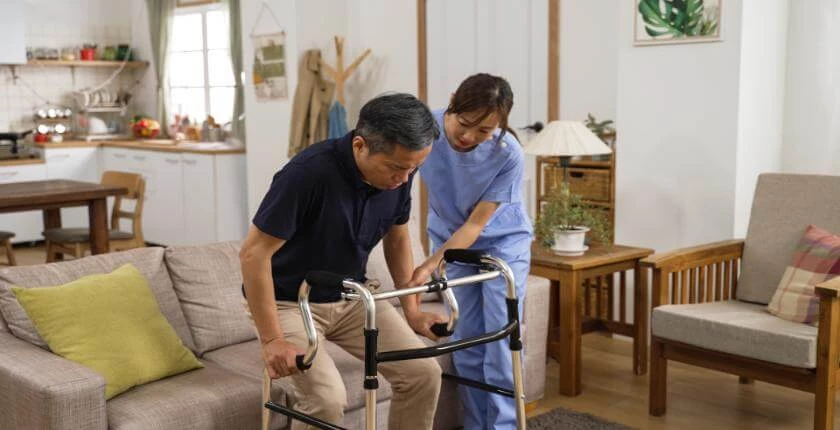
Rehabilitation Support
Get in TouchAt Jackson Personal Injury, we recognise that recovery after a serious accident often requires more than financial compensation alone.
We support individuals and across the UK by helping them access rehabilitation support as part of the personal injury process.
Rehabilitation support can be critical in restoring physical ability, rebuilding confidence, and improving long-term quality of life, particularly after serious or life-changing injuries.
Jackson Personal Injury connects claimants with a panel of experienced solicitors who prioritise early intervention, ongoing treatment, and holistic recovery, ensuring rehabilitation is considered alongside the legal claim from the outset.
What Does Rehabilitation Support Involve for Injury Recovery?
Rehabilitation support involves a coordinated and structured recovery programme that addresses the physical, psychological, and practical effects of injury. This may include pain management, muscle strengthening, mobility training, and emotional adjustment support.
Rehabilitation often focuses on restoring independence, helping individuals relearn everyday tasks, manage symptoms, and adapt to any permanent limitations caused by the injury.
How Can Rehabilitation Services Help Accelerate Recovery?
Rehabilitation support can significantly accelerate recovery by targeting injury-related limitations at an early stage, which can reduce stiffness, prevent muscle wastage, and limit secondary complications such as chronic pain or reduced mobility.
Rehabilitation also supports mental well-being, helping individuals cope with trauma, anxiety, or frustration during recovery, and can enable a faster and safer return to work or daily routines.
What Types of Therapy Are Included in Rehabilitation Support Plans?
Rehabilitation support plans are typically multidisciplinary and may include:
Physiotherapy – Improving movement, posture, strength, balance, and pain control.
Occupational therapy – Relearning daily tasks, recommending equipment, and advising on home or workplace adaptations.
Psychological therapy – Supporting mental health, trauma recovery, confidence, and emotional adjustment.
Speech and language therapy – Assisting with communication, cognition, or swallowing difficulties after neurological injury.
Vocational rehabilitation – Supporting a return to work, phased duties, retraining, or alternative employment options.
Who Provides Rehabilitation Support After Serious Injuries?
Rehabilitation support may be delivered through NHS services, private rehabilitation clinics, independent therapists, or specialist rehabilitation centres.
In cases involving personal injury claims, solicitors from the panel often collaborate with case managers, consultant clinicians, and therapy providers to ensure treatment is appropriate, timely, and tailored to the individual’s needs, particularly where NHS provision is limited or delayed.
Are Tailored Rehabilitation Programmes Available for Individuals?
Rehabilitation support is frequently bespoke, designed around the individual’s medical condition, personal goals, and home or work environment. Tailored programmes allow therapy to progress at the right pace and adapt as recovery develops.
This approach is especially important for individuals recovering from brain injuries, spinal injuries, complex fractures, amputations, or psychological trauma, where standard rehabilitation pathways may be insufficient.
Can I Access Rehabilitation Support as Part of a Legal Claim?
Rehabilitation support can often be accessed as part of a personal injury claim, even before the case is concluded.
Solicitors from the panel may request early rehabilitation funding from the at-fault party’s insurer, commonly under the Rehabilitation Code. This allows treatment to begin promptly, helping recovery progress without waiting for a final settlement.
What Is the Cost of Private Rehabilitation Services?
Private rehabilitation support costs £40 to £80 per session for therapies such as physiotherapy, occupational therapy, or counselling. More intensive rehabilitation, including neurorehabilitation, complex pain management, or residential programmes, ranges from £5,000 to over £50,000, depending on duration and complexity.
In many cases, these costs may be recovered as part of a compensation claim where liability is accepted.
Contact Jackson Personal Injury to understand how rehabilitation costs may be funded in your case.
Is Early Access to Rehabilitation Available Through Solicitors?
Rehabilitation support can often be arranged early in the claims process, sometimes within weeks of the accident. Early access allows treatment to begin while evidence is gathered and liability is assessed.
This approach often leads to better long-term outcomes, reduced recovery times, and improved independence.
Do Rehabilitation Providers Offer Home Visits and Remote Therapy?
Rehabilitation support frequently includes home visits and remote therapy options, particularly for individuals with reduced mobility or ongoing pain.
Remote therapy may involve video consultations, guided exercise programmes, and progress monitoring, while home-based treatment allows therapy to be delivered in a familiar environment. These flexible options help ensure rehabilitation remains accessible, consistent, and responsive to changing needs.
Contact Jackson Personal Injury to discuss rehabilitation support options available to you.