
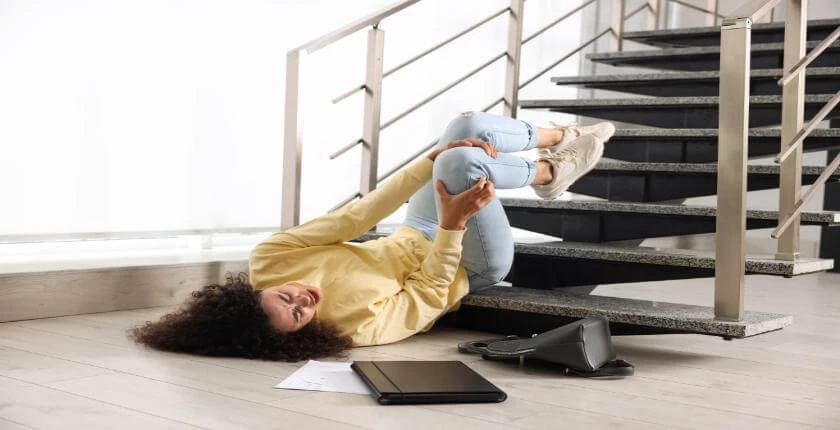
Slips and Trips at Work
Get in TouchAt Jackson Personal Injury, we assist people and across the UK who have been injured due to slips and trips at work by helping them explore whether they may be eligible to make a claim.
These accidents are among the most common workplace incidents and can cause injuries ranging from minor strains to long-term conditions. We review enquiries and refer suitable cases to a panel of independent, regulated solicitors who explain the process.
How Much Compensation Can I Receive for a Slip or Trip at Work?
Compensation for slips and trips at work can vary depending on the severity of the injury, recovery time, time off work, and any ongoing medical treatment or therapy required.
Claims may include general damages for pain, suffering, and loss of amenity, as well as special damages for financial losses such as lost earnings and medical expenses. Each claim is considered on its own merits, and outcomes vary from case to case.
Contact Jackson Personal Injury to check if you may be eligible and to request a free assessment of your slips and trips at work claim.
Can I Claim for a Slip or Trip Injury at Work?
Slips and trips at work may give rise to a compensation claim where an injury was caused by negligence or unsafe working conditions.
Employers have a duty to keep workplaces safe, clean, and free from avoidable hazards. Where this duty is not met, and an employee is injured as a result, compensation may be available depending on the circumstances.
What Are the Most Common Causes of Slips and Trips in Workplaces?
Slips and trips at work commonly occur due to causes such as:
Wet or uneven flooring – Spillages, leaks, or damaged surfaces creating slip hazards.
Loose cables or trailing wires – Obstructions left across walkways or work areas.
Poorly maintained stairs or steps – Broken handrails, worn treads, or uneven steps.
Inadequate lighting – Poor visibility making hazards harder to see.
Obstructed walkways – Boxes, equipment, or waste left in pedestrian areas.
Lack of warning signs – Failure to alert staff to temporary hazards such as wet floors.
Is My Employer Responsible for Injuries Related To Slips and Trips At Work?
Slips and trips at work may involve employer responsibility where reasonable steps were not taken to identify and reduce risks.
Employers are required to carry out regular inspections, address hazards promptly, and provide warnings where risks cannot be removed immediately. If a fall occurred due to a hazard that was ignored or not properly managed, this may support a compensation claim.
Are No Win, No Fee Slip and Trip Claims Available From Firms?
Many slips and trips at work claims are handled on a No Win, No Fee basis. This usually means there are no upfront legal costs, and you only pay if your claim is successful.
If compensation is awarded, a capped success fee may be deducted, with terms explained before you decide whether to proceed. This funding structure can reduce financial pressure while a claim is ongoing.
What Evidence Will Help Prove My Workplace Trip or Slip Claim?
Evidence commonly used to support slips and trips at work claims includes:
Accident reports – Entries in workplace accident books or incident logs.
Photographs or video footage – Images of the hazard or accident scene.
CCTV footage – Where available, recordings showing the incident or conditions.
Medical records – GP notes, hospital reports, and treatment documentation.
Witness statements – Accounts from colleagues or others who saw the incident.
Financial records – Payslips or receipts showing loss of earnings or expenses.
How Long Do I Have to File a Claim for a Slip or Trip at Work?
For slips and trips at work, the usual time limit to start a personal injury claim is three years from the date of the accident.
Certain exceptions apply to children and individuals lacking mental capacity, and starting early can help preserve evidence and allow the claim to be reviewed properly. Waiting too long may make witness accounts and documentation harder to obtain.
What Types of Injuries Commonly Result From Slips and Trips?
Slips and trips at work can lead to a wide range of injuries, including sprains, fractures, cuts, bruising, concussions, back injuries, and soft tissue damage.
In more serious cases, head injuries or long-term mobility issues may occur. Even injuries that initially seem minor can affect work and daily activities.
Contact Jackson Personal Injury to find out if you can make a slips and trips at work claim and to speak to our claims team.