
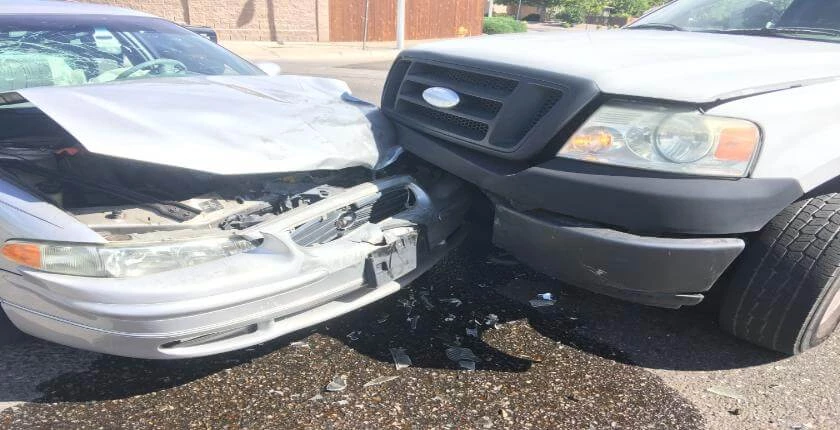
Head-On Collision Claims
Get in TouchAt Jackson Personal Injury, support is offered to individuals making head-on collision claims and across the UK. Head-on collisions involve direct impact forces and are among the most dangerous types of road traffic accidents.
Head-on collision claims often involve serious injuries, extended recovery, and complex liability considerations. Jackson Personal Injury connects claimants with experienced solicitors who manage claims from early evaluation through to resolution.
How Much Compensation Can I Claim for a Head-On Collision Injury?
Compensation for head-on collision claims may be awarded depending on circumstances, and amounts vary based on injury severity and losses.
Claims involving head-on collisions often consider factors such as the nature and seriousness of injuries, recovery time, impact on employment or daily life, and any related financial losses. Where a claim is referred, the solicitor or lawyer handling it will advise on how compensation is considered using medical evidence and recognised guidelines.
Contact Jackson Personal Injury to check if you may be eligible and to request a free claim assessment.
What Injuries Are Common in Head-On Collision Claims?
Head-on collision claims frequently involve severe injuries such as:
Traumatic brain injuries – Including concussion or permanent cognitive damage.
Spinal and spinal cord injuries – Potentially leading to long-term mobility impairment.
Fractures and crush injuries – Affecting limbs, ribs, or the pelvis.
Internal organ injuries – Caused by the force of impact.
Psychological injuries – Such as post-traumatic stress disorder, anxiety, or depression.
What Should I Do After a Head-On Collision?
After a head-on collision, the priority is ensuring safety and seeking emergency medical attention for everyone involved. Emergency services should be contacted immediately, and a police report should be made, particularly given the seriousness of these collisions.
If safe to do so, it is important to photograph the scene, vehicle positions, and visible injuries, and to exchange contact and insurance details. Witness information should also be collected where possible. Medical assessment is essential even if injuries are not immediately apparent, as this documentation forms a key part of head-on collision claims.
Who Is Typically at Fault in a Head-On Crash?
In head-on collision claims, fault most commonly lies with the driver who crossed into oncoming traffic or failed to remain in their lane. This may result from speeding, driver distraction, fatigue, or impairment.
In some cases, liability may be shared where both drivers contributed to the collision. We provide general information about how responsibility is commonly considered in these accidents. If a claim is referred, the solicitor or lawyer on our panel will advise on how fault is reviewed based on the available evidence.
Can I Claim If I Was a Passenger Injured in a Head-On Collision?
Head-on collision claims can be made by passengers, who are generally considered non-fault parties.
Passengers may claim against the insurer of the driver responsible for the collision, whether that was the driver of their own vehicle or another vehicle involved. If a claim is referred, the solicitor or lawyer on our panel will advise on how fault is reviewed based on the available evidence.
What Evidence Is Needed to Support a Head-On Collision Claim?
To support head-on collision claims, the following evidence is commonly required:
Police accident reports – Providing an official account of the incident.
Photographs or video footage – Showing the scene, vehicle damage, and injuries.
Medical records and assessments – Documenting injuries and prognosis.
Witness statements – Independent accounts of how the collision occurred.
Financial documentation – Including payslips, invoices, and receipts for losses.
Are No Win, No Fee Head-On Collision Claims Available?
Many head-on collision claims are handled on a No Win, No Fee basis by solicitors on the panel. This means there are no upfront legal fees to pay.
Legal costs are typically payable only if the claim is successful, reducing financial risk while pursuing compensation for serious injuries. This funding arrangement allows individuals to pursue compensation even when the at-fault driver cannot be identified.
How Long Do I Have to Make a Head-On Collision Compensation Claim?
Head-on collision claims are generally subject to a three-year time limit from the date of the accident.
Different rules may apply for children or individuals lacking mental capacity. Starting early helps preserve evidence and supports accurate medical and financial assessment.
Can I Claim for Loss of Earnings, Rehab, and Vehicle Damage?
Head-on collision claims can include compensation for lost income, future loss of earnings, rehabilitation and therapy, specialist care, and vehicle repair or replacement.
Additional costs such as travel expenses, adaptations, and ongoing support needs may also be included where supported by evidence.
Contact Jackson Personal Injury to find out if you can make a head-on collision claim and to speak to our claims team.