
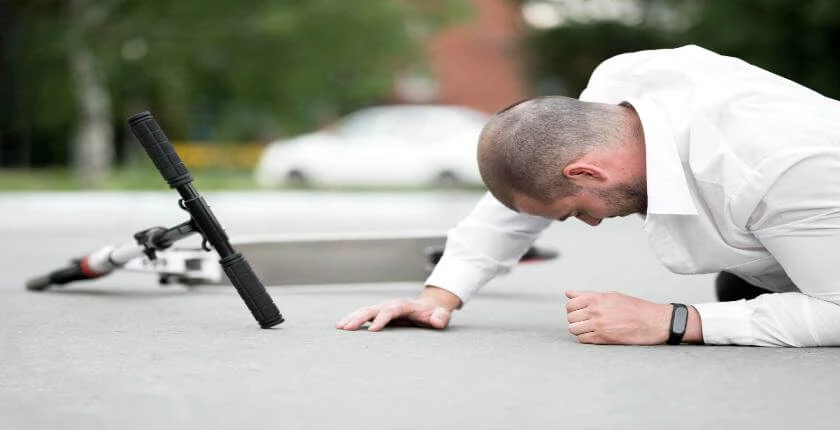
Hit and Run Claims
Get in TouchAt Jackson Personal Injury, people and across the UK can access early information about making a hit and run claim. We help people make a personal injury claim by reviewing enquiries, explaining the claims process in general terms, and referring suitable cases to a panel of independent solicitors.
Hit and run incidents can be distressing, particularly where the responsible driver leaves the scene. We help people understand the claims process from the outset, and if a claim is accepted, it will be handled by a regulated law firm, with legal advice provided by a lawyer regulated by the SRA.
How Much Compensation Can I Receive for a Hit and Run Injury?
Compensation for hit and run claims depends on the circumstances of the accident and the impact of the injuries.
Amounts vary based on injury severity and losses, which may include recovery time, medical needs, financial impact, and damage caused by the incident. Figures are illustrative only. We help people understand the claims process at a general level, and where appropriate, suitable claims may be referred to a solicitor or lawyer on our panel, who will advise on the claim.
Contact Jackson Personal Injury to check if you may be eligible and to request a free claim assessment.
What Steps Should I Take Immediately After a Hit and Run?
After a hit and run, it is important to contact emergency services and report the incident to the police as soon as possible. Obtaining a crime reference number, seeking medical treatment, and documenting visible injuries are key steps.
Any details recalled about the vehicle, such as colour, make, or partial registration, should be shared with the police. Photographs of the scene and damage can provide valuable support for hit and run claims.
Can I Make a Claim After a Hit and Run Accident?
After a hit and run accident, individuals pursuing hit and run claims may still be eligible to claim compensation even if the at-fault driver is unknown. In such cases, claims are usually made through the Motor Insurers’ Bureau, which compensates victims of uninsured or untraced drivers.
It is essential to report the incident to the police promptly and seek medical attention for any injuries. We help people understand the claims process and review enquiries to assess whether a claim may be eligible. Where appropriate, suitable claims may be referred to a solicitor or lawyer on our panel, who will advise on next steps.
Who Pays Compensation If the Driver Is Unidentified?
For hit and run claims where the driver cannot be traced, compensation is usually paid by the Motor Insurers’ Bureau. The MIB is a government-backed body funded by insurers to compensate victims of uninsured or untraced drivers.
Claimants must show that the accident was reported to the police and that reasonable efforts were made to identify the driver. We help people understand the claims process and explain, in general terms, how the MIB scheme works. If appropriate, the enquiry may be referred to a solicitor or lawyer on our panel, who will advise on how a claim may proceed under the scheme.
Can I Still Claim If the Police Haven’t Caught the Driver?
Hit and run claims can still proceed even if the police have not identified the driver. The MIB exists specifically to compensate victims in these situations.
The most important requirement is that the accident is reported to the police within the required timeframe, usually within 14 days for injury claims. We help people understand the claims process and explain the importance of reporting the incident and seeking medical attention. Where appropriate, enquiries may be referred to a solicitor or lawyer on our panel, who will advise on eligibility and next steps.
What Injuries Commonly Result in Hit and Run Claims?
Hit and run claims frequently involve injuries such as:
Whiplash and soft tissue injuries – Often caused by sudden impact.
Broken bones and fractures – Including injuries to limbs or ribs.
Head and brain injuries – Ranging from concussion to traumatic brain injury.
Spinal and back injuries – Which may lead to long-term impairment.
Psychological injuries – Such as anxiety or post-traumatic stress.
Are No Win, No Fee Hit and Run Claims Available From Solicitors?
Many hit and run claims are handled on a No Win, No Fee basis by solicitors on the panel. This means there are no upfront legal costs to pay.
Legal fees are generally payable only if the claim is successful, helping reduce financial risk for claimants. This funding arrangement allows individuals to pursue compensation even when the at-fault driver cannot be identified.
How Long Do I Have to File a Hit and Run Compensation Claim?
Hit and run claims are generally subject to a three-year limitation period from the date of the accident.
Claims made through the MIB also require the accident to be reported to the police within specific time limits, typically 14 days for injury claims. Starting early helps preserve evidence and ensures compliance with MIB requirements.
Can I Claim Through the Motor Insurers’ Bureau (MIB)?
Hit and run claims are commonly pursued through the Motor Insurers’ Bureau when the responsible driver cannot be identified. Eligibility depends on police reporting, evidence of the accident, and proof of injury or loss.
We help people understand the claims process and review enquiries to assess whether a claim may be eligible under the MIB scheme. If suitable, the enquiry may be referred to a solicitor or lawyer on our panel, who will advise on how the claim may proceed.
Contact Jackson Personal Injury to check if you may be eligible to make a hit and run claim and to speak to our claims team.